Campsvilla Blog: Camping and Glamping Guides

.jpeg)
Camping vs Glamping: First-Timer Guide & Packing List
Camping vs glamping – which should you choose? This simple guide explains the difference, the pros and cons of each, who each one suits, and gives you a complete first-time packing list for a night camping trip in the Himalayas.
If you've never spent a night outdoors, the choice can feel confusing. Do you want the raw adventure of a tent and sleeping bag, or the comfort of a proper bed with an attached bathroom? The good news: in Himachal you can have both, and many campsites offer a mix.
What is camping?
Traditional camping means sleeping in a tent – usually a dome tent with sleeping bags or mattresses – with shared washrooms and simple meals. It is closer to nature, more adventurous and usually cheaper.
What is glamping?
Glamping (glamorous camping) gives you the outdoor experience with hotel-like comfort: Swiss cottage tents, geodesic domes, A-frame cabins or glass houses with real beds, electricity, attached bathrooms and often heaters and room service.
Camping vs glamping at a glance
- Comfort: camping is basic; glamping is like a hotel room in nature.
- Washrooms: camping usually has shared ones; glamping usually has attached ones.
- Cost: camping is cheaper; glamping costs more but includes comfort.
- Weather: camping is best in mild weather; glamping works year-round, including winter with heaters.
- Best for: camping suits backpackers, students and adventure groups; glamping suits couples, families, older parents and first-timers.
Who should choose camping?
- You love adventure and don't mind basic facilities.
- You're a group of friends or students on a budget.
- You're trekking and want to sleep close to the trail.
Who should choose glamping?
- It's your first night outdoors and you want it to be comfortable.
- You're travelling with children or elderly parents.
- You're celebrating – honeymoon, anniversary or birthday.
- You're travelling in winter, when heating matters.
Where to try each in Himachal
- Classic tent camping with comfort: Jungle Stays Chail, Niyama Jungle Retreat and Himtrek Riverside Camp, Kasol.
- Glamping: Camp Cedar Bir, Hail Himalayas, Solan, Infinity Sky Glamps, Manali.
- Luxury glamping: Awe Glamping glass house and Nirvana Hamta Retreat domes in Sethan.
First-time night camping packing list
Clothing
- Warm jacket and a fleece – mountain nights are cold even in summer
- Thermal innerwear (October to March)
- Comfortable walking shoes and an extra pair of socks
- Cap, sunglasses and a light raincoat or poncho
Essentials
- Torch or headlamp and a power bank
- Reusable water bottle
- Personal medicines, mosquito repellent and a small first-aid kit
- Sunscreen, moisturiser and lip balm
- Valid photo ID for every guest
- Some cash for local shops and cafés
Nice to have
- Bluetooth speaker (keep the volume low for others)
- Playing cards or a board game for the bonfire
- Binoculars for birds and stars
Campsite etiquette
- Leave no trace – carry your waste back or use the camp's bins.
- Keep noise low after 10 pm.
- Don't feed wild animals or stray dogs.
- Follow the camp's instructions on bonfires and river safety.
Frequently asked questions
Is glamping worth the extra cost?
For first-timers, families and winter trips – yes. A good night's sleep, a warm room and a clean bathroom make the whole trip more enjoyable.
Is night camping safe?
At a registered campsite with staff, lighting and proper facilities, night camping is safe for families, couples and solo travellers.
What is the best place for first-time camping near Chandigarh?
Chail, Sadhupul and Solan are excellent first trips – only 2–3 hours away. See our list of top campsites near Chandigarh.
Whichever you choose, find your perfect camping or glamping stay on Campsvilla.
.jpeg)
School Educational Tours in Himachal: Camps & Itinerary
Planning a school educational tour to Himachal? This guide helps teachers and school coordinators choose safe camps near Chandigarh and Shimla, build a 3-day student itinerary, and prepare the safety checklist, consent forms and budget that parents and principals expect.
Outdoor trips teach what classrooms can't: teamwork, independence, respect for nature and a love for the mountains. Himachal is ideal for school groups from Punjab, Haryana, Chandigarh and Delhi because it is close, safe, and full of learning opportunities – from forests and rivers to history and local culture.
Why Himachal is perfect for school tours
- Close to North India's cities – Chail, Solan and Shimla are only 2–4 hours from Chandigarh.
- Learning everywhere – forests, rivers, heritage buildings, apple orchards and local villages.
- Adventure in a safe setting – nature walks, rope activities and team games run by trained staff.
- Pleasant weather for most of the school year (March–June and September–November).
Recommended camps for student groups
Niyama Jungle Retreat, Sadhupul (near Chail)
Riverside Swiss tents and cottages by the Ashwini river – easy to reach from Chandigarh and ideal for separate boys', girls' and teachers' accommodation.
Jungle Stays Chail
Jungle Stays Chail offers forest Swiss tents with open spaces for group activities and evening bonfires.
The Glide Inn, Junga (near Shimla)
The Glide Inn has duplex cottages and jungle camps 25 km from Shimla – good for combining camping with a Shimla heritage visit.
Hail Himalayas, Solan
Riverside glamping at Hail Himalayas works well for smaller senior-class groups.
Sample 3-day educational itinerary (Chandigarh – Chail – Shimla)
Day 1 – Arrival and orientation: Depart Chandigarh in the morning, reach the camp by lunch. Safety briefing, tent allocation, nature walk and an evening bonfire with a group talent show.
Day 2 – Learning in nature: Early morning bird-watching, guided forest walk on trees and Himalayan ecology, visit to the Chail Cricket Ground and Chail Palace (history of the Patiala royals), team-building games in the afternoon.
Day 3 – Heritage and return: Drive towards Shimla to see the Ridge and Christ Church, or visit an apple orchard and village to learn about mountain farming. Return to Chandigarh by evening.
Safety checklist for school trips
- Teacher-to-student ratio of about 1:15 (1:10 for younger classes)
- Separate accommodation for boys, girls and teachers
- Female staff and female teachers accompanying girl students
- First-aid kit at the camp and a nearby hospital identified in advance
- All adventure activities only with trained instructors and safety gear
- Signed parent consent forms and medical information for every student
- Student ID cards and an emergency contact sheet with the coordinator
- Registered transport with experienced hill drivers
Food and comfort
Ask the camp for vegetarian and Jain meal options, fixed meal timings and safe drinking water. Share the count of veg, Jain and non-veg students in advance – it makes the kitchen's job easier and avoids last-minute issues.
Budget and booking tips
- Ask for per-student package rates including stay, meals, activities and transport.
- Most camps offer complimentary places for teachers – for example one free teacher per 15–20 students.
- Book 4–6 weeks in advance for March–May and October–November, which are peak school-trip months.
- Get a written itinerary with inclusions, exclusions and payment schedule before confirming.
Campsvilla prepares detailed, school-ready itineraries with package rates, safety measures and GST invoices for schools. Organising a college or office trip instead? See our guide to corporate camping sites near Chandigarh.
Frequently asked questions
What is the best place for a school camping trip near Chandigarh?
Chail and Sadhupul are the most practical: about 3 hours from Chandigarh, safe riverside and forest camps, and plenty of learning activities nearby.
How many days should a school tour to Himachal be?
Two nights and three days is ideal for most classes – enough time for activities without being tiring for younger students.
Do you provide GST invoices for schools?
Yes. Share your school's name and GSTIN when booking and we will include it on the quote and invoice.
Planning a school trip? Call +91 98762 78089 or WhatsApp +91 78761 36043 for a free custom itinerary and package quote.
.jpeg)
Riverside Camping in Kasol: Best Camps & Travel Guide
Riverside camping in Kasol is on every mountain lover's list. This guide covers the best camps in Kasol and Parvati Valley, the best time to visit, how to reach from Delhi and Chandigarh, nearby treks like Kheerganga and Kalga, and tips for a safe trip.
Kasol is a small village in the Parvati Valley of Kullu district, sitting along the Parvati river at about 1,580 metres. Pine forests, Israeli and Himachali cafés, and the sound of the river make it one of the most loved backpacker destinations in India – and camping right by the water is the best way to experience it.
Best camps and stays in Kasol
Himtrek Riverside Camp Kasol
Himtrek Riverside Camp puts you right beside the Parvati river – fall asleep to the sound of the water and wake up to pine-covered mountains. Great for friends' groups and couples.
North Deodar Resort, Kasol
Prefer a room with resort comforts? North Deodar Resort is set among deodar trees, a short distance from Kasol market.
Mount and Joint Homes, Kalga
For a quieter village experience, head further up the valley to Kalga, a small village above Barshaini. Mount and Joint Homes is a homestay surrounded by apple orchards and forest.
See all riverside camps in Kasol.
Things to do in and around Kasol
- Riverside cafés and walks along the Parvati river.
- Chalal village – a short forest walk across the river from Kasol.
- Manikaran Sahib (about 5 km) – the famous gurudwara and hot springs.
- Tosh and Kalga – quiet villages further up the valley with mountain views.
- Kheerganga trek – a popular overnight trek from Barshaini with natural hot springs at the top (best from April to October).
How to reach Kasol
- From Delhi (about 520 km): take an overnight Volvo to Bhuntar (around 12 hours), then a local bus or taxi to Kasol (about 30 km, 1 hour).
- From Chandigarh (about 270 km, 7–8 hours): drive via Mandi and Bhuntar.
- By air: Kullu–Bhuntar airport is around 30 km from Kasol.
Best time for camping in Kasol
- March to June: pleasant weather and the most popular camping season.
- July to August: monsoon; the river runs high and landslides can block roads – check conditions before going.
- September to November: clear skies and cool nights – excellent for camping.
- December to February: cold, with occasional snow in Kasol and more in Tosh and Kalga – choose heated rooms over tents.
Safety tips for riverside camping
- Never swim in the Parvati – the water is ice-cold and the current is strong.
- Stay at a registered campsite with staff, rather than camping alone by the river.
- During monsoon, follow the camp's advice on river levels.
- Carry cash – ATMs in the upper valley can be unreliable.
A 3-day Kasol itinerary
Day 1: Arrive at Bhuntar in the morning, reach Kasol, check in at a riverside camp and explore the cafés.
Day 2: Visit Manikaran Sahib in the morning, then walk to Chalal; bonfire by the river at night.
Day 3: Day trip to Tosh or Kalga for mountain views, then head back to Bhuntar for the overnight bus.
Frequently asked questions
Is Kasol good for families?
Yes. While Kasol is known as a backpacker spot, calm riverside camps and resorts make it comfortable for families too.
Which is better, Kasol or Manali?
Kasol is quieter and more about the river, cafés and short treks. Manali has more sightseeing, snow points and adventure activities. Many travellers do both in one trip.
Can you camp in Kasol in winter?
You can, but nights are very cold. Pick a stay with heated rooms or cottages from December to February.
Book your Kasol stay on Campsvilla or WhatsApp +91 78761 36043 for group bookings.
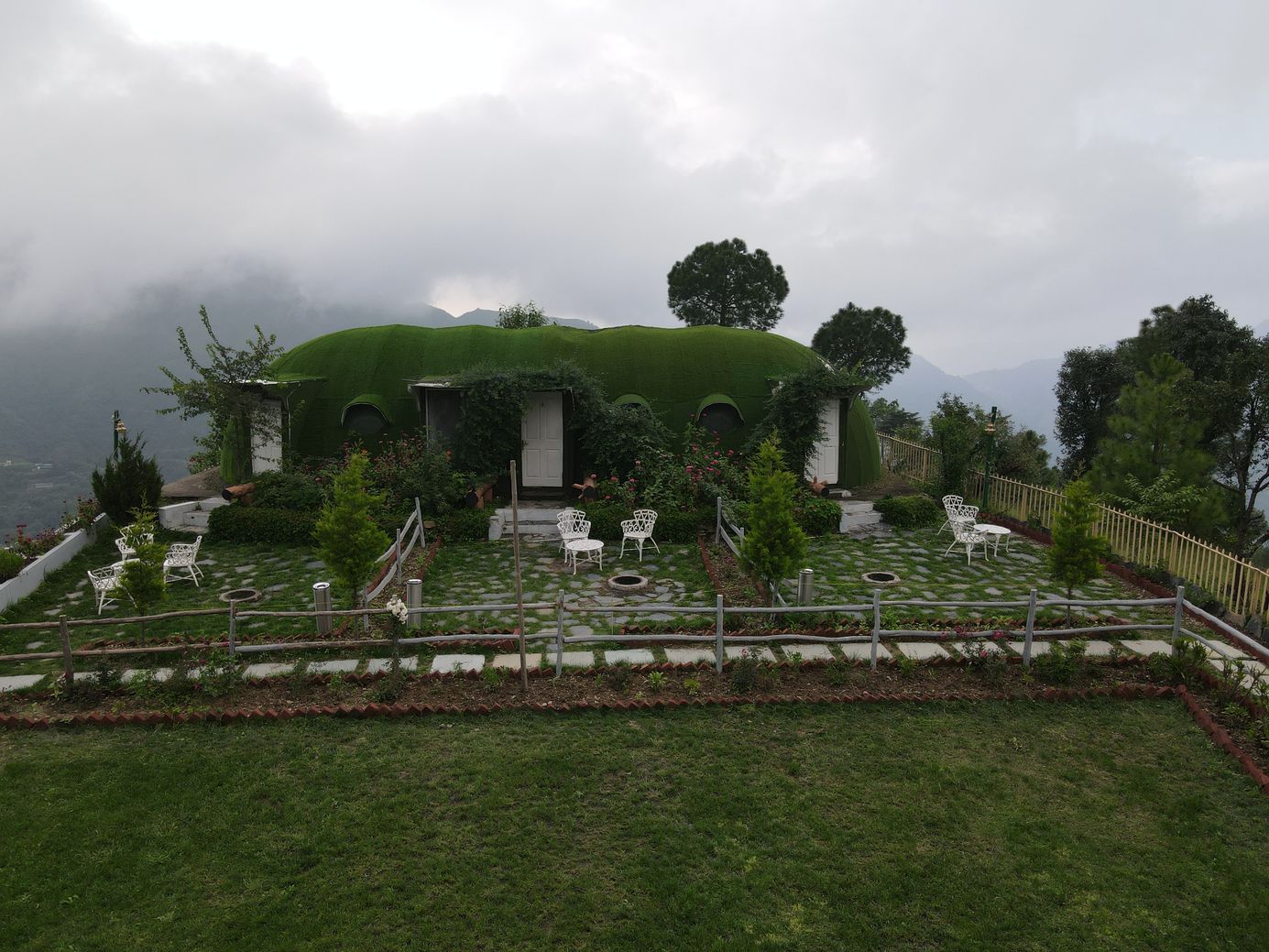
Hobbit House, Treehouse & A-Frame Stays in Himachal
Tired of regular hotel rooms? Himachal now has some of India's most unusual stays: hobbit houses built into the hillside, real treehouses, glass houses and wooden A-frame cabins. Here are 9 unique places to stay in Himachal (and one in Kashmir), with what makes each one special.
Unique stays are more than a photo opportunity. Sleeping in a treehouse among pine trees, or in a cosy cave-style room with a fireplace feel, turns an ordinary weekend into a memory. They are especially popular for birthdays, anniversaries and honeymoons – so book early for weekends.
Hobbit houses and cave stays
1. Heavot Caves – Hobbit House, Shimla
Round doors, earthy walls and a hillside setting – the Hobbit House at Heavot Caves is one of the most searched unique stays near Shimla. It is perfect for couples and small families who want something truly different.
2. Heavot Caves – Cliff Edge Jacuzzi, Shimla
For a special occasion, the Cliff Edge Jacuzzi stay combines the cave-style room with a jacuzzi and big valley views.
3. Heavot Caves – Solo Women Friendly, Shimla
Travelling alone? This Heavot Caves stay is marked solo-women friendly, so you can enjoy a unique stay with extra peace of mind.
Treehouses
4. The Wood Log Tree House, Shimla
A proper wooden treehouse surrounded by forest, The Wood Log Tree House is a childhood dream come true – great for couples and families with older kids.
5. Elegant Tree House, Ganderbal (Kashmir)
Near Srinagar in the Sindh valley, Elegant Tree House lets you combine a Kashmir holiday with a night up in the trees.
A-frame cabins and glass houses
6. Awe Glamping – A-Frame Cabins, Manali
Steep wooden roofs, warm interiors and mountain views: Awe Glamping's A-frames include an Infinity Cabin and a cabin with a heart-shaped jacuzzi.
7. Awe Glamping – Glass House, Manali
Watch clouds, snow or stars from your bed in the glass house with jacuzzi – a top honeymoon pick in Manali.
8. Woodzoo Shangarh – A-frames by the meadow
In the quiet Sainj valley, Woodzoo Shangarh has A-frame cabins near the famous Shangarh meadow – far from the crowds.
Domes
9. Nirvana Hamta Retreat, Sethan – geodesic domes
Above Manali, Nirvana Hamta Retreat offers geodesic domes that are wonderful for snow and stargazing in winter. And in Kashmir, Riverside Elegant Domes sit right by the river in Ganderbal.
Tips for booking a unique stay
- Book 2–3 weeks ahead for weekends – most unique stays have only one or two units.
- Check access: some hillside stays have steps or a short walk from the parking.
- Ask about heating from November to February.
- Planning a surprise? Many properties can arrange decorations, cake or a candlelight dinner – just ask.
Frequently asked questions
Are hobbit houses and treehouses safe for kids?
Yes, with normal care. Treehouses have stairs or ladders, so keep an eye on small children. Ask the property about railings and access when booking.
Which unique stay is best for a honeymoon?
The glass house with jacuzzi in Manali, the Cliff Edge Jacuzzi stay near Shimla and the heart-jacuzzi A-frame in Manali are the most popular honeymoon choices.
What is the best time to book a treehouse in Himachal?
March to June and October to November offer the most pleasant weather. Winter is magical too, but pick a stay with good heating.
Discover more: browse all unique stays on Campsvilla or call +91 78761 36043 to plan a surprise trip.
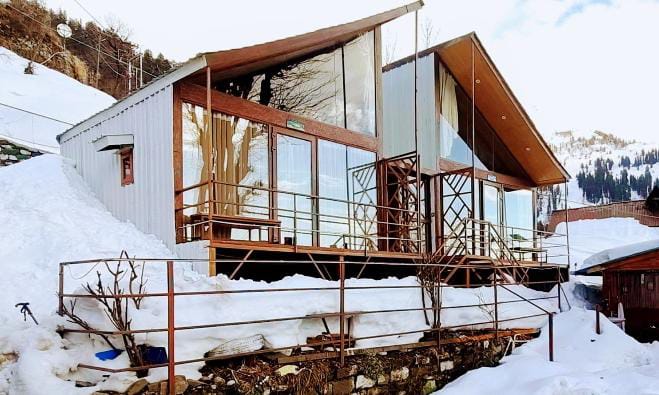
Winter Camping in Himachal: Best Snow Stays (2026–27)
Want to wake up to snow this winter? Here is our guide to winter camping in Himachal – the best snow stays in Manali, Sethan and around Shimla, when snowfall usually happens, what to pack, and how to stay warm and safe in the mountains.
Winter in Himachal (December to February) turns the hills white. You don't have to be a hardcore mountaineer to enjoy it: today's heated domes, glass houses and cottages let you watch the snow fall from a warm bed, then step out for snowball fights, bonfires and hot Maggi.
When does it snow in Himachal?
- Late December to February is the most reliable time for snow in Manali, Sethan, Solang, Kufri and Narkanda.
- Higher villages like Sethan (near Manali) often hold snow longer than the town itself.
- Snowfall varies every year – keep a day free in your plan and check the forecast a few days before travel.
Best snow stays in Manali and Sethan
Nirvana Hamta Retreat, Sethan – geodesic domes in the snow
Sethan is a small village about 12 km above Manali, close to the Hamta Pass trail. Nirvana Hamta Retreat has domes with big windows – perfect for watching snowfall and, on clear nights, the stars. Read our earlier story on stargazing in Sethan's domes.
Awe Glamping, Manali – glass house and A-frames
The glass house with jacuzzi is made for winter honeymoons, while the A-frame cabins are snug and photogenic under a layer of snow.
Infinity Sky Glamps & Jannat Resort and Spa
Infinity Sky Glamps offers modern glamping pods with valley views, while Jannat Resort and Spa has suites and honeymoon jacuzzi rooms with balconies facing the Himalayas – ideal if you want resort comforts.
See all snow stays in Manali.
Snow stays near Shimla (closer to Delhi and Chandigarh)
- Snow Vista Himalayan Homestay, Cheog – a warm family homestay near Kufri and Fagu with snow-peak views.
- Heavot Caves – Hobbit House and Cliff Edge Jacuzzi – unique stays that feel straight out of a storybook in winter.
- The Glide Inn, Junga – duplex cottages in the forest, 25 km from Shimla.
Things to do in Himachal in winter
- Snow play and skiing at Solang Valley (Manali)
- A drive through the Atal Tunnel to Sissu for frozen waterfalls (subject to road status)
- Snow walks in Sethan and short treks near your stay
- Kufri and Narkanda near Shimla for snow and skiing slopes
- Bonfire nights, hot chocolate and stargazing
Winter camping packing list
- Thermal innerwear (2 sets), fleece, and a down or heavy winter jacket
- Waterproof shoes or snow boots with good grip, plus woollen socks
- Woollen cap, gloves, muffler and sunglasses (snow glare is strong)
- Moisturiser, lip balm and sunscreen
- Power bank – batteries drain faster in the cold
- Personal medicines and a small first-aid kit
Safety tips for snow travel
- Hire a local driver who is used to snow roads; carry chains or use a 4x4 in heavy snowfall.
- Check road updates before driving beyond Manali or Shimla – roads can close after heavy snow.
- Choose stays with heating, hot water backup and staff on site.
- Keep one extra day in your plan in case of road closures.
Frequently asked questions
Is camping in snow safe for families?
Yes, when you stay in heated glamping domes, cabins or cottages with staff on site. Avoid basic tents in heavy snow if you're travelling with children or elderly parents.
Which is better for snow – Manali or Shimla?
Manali (especially Sethan and Solang) usually gets more and longer-lasting snow. Shimla, Kufri and Narkanda are closer to Delhi and Chandigarh and good for a shorter trip.
Do glamping tents have heaters?
Most winter-ready glamping stays provide heaters or electric blankets. Always confirm with the property when booking.
Plan your winter trip: explore Manali and Shimla stays on Campsvilla, or call +91 98762 78089 for help with snow-season bookings.
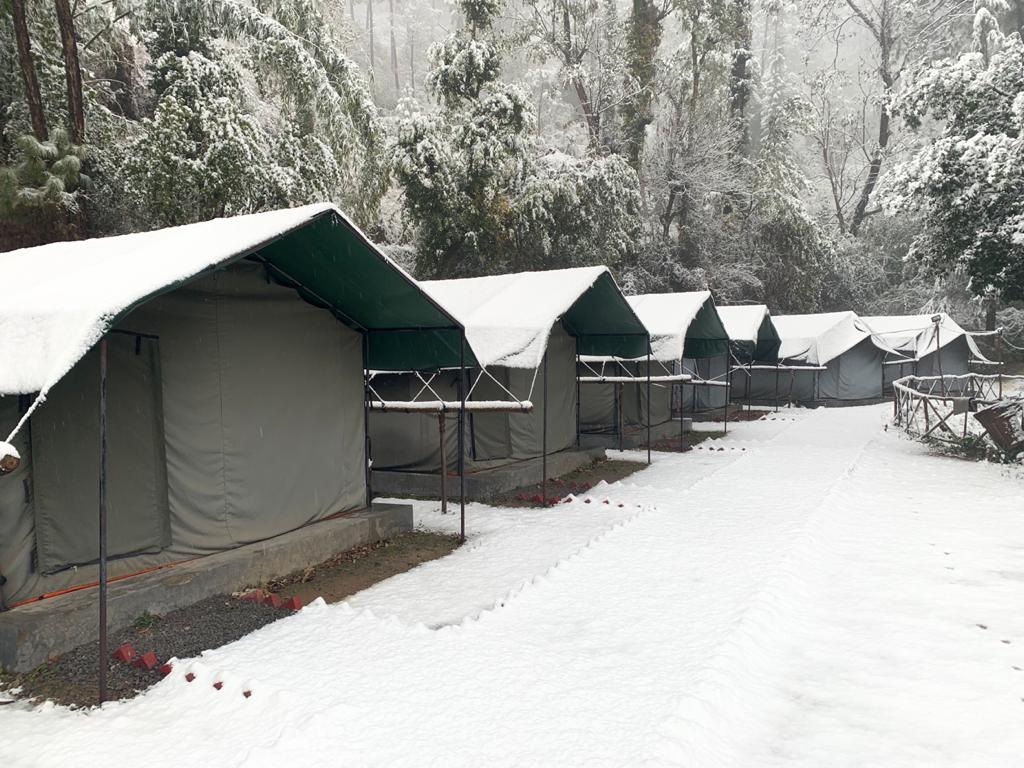
Camping in Chail: Best Camps, Things to Do & How to Reach
Camping in Chail is one of the best-kept secrets near Shimla: deodar forests, a river at Sadhupul, the old Chail Palace and quiet nights by the bonfire. This guide covers the best camps in Chail, things to do, how to reach and the best time to visit.
Chail sits at about 2,250 metres in Solan district, roughly 45 km from Shimla and 105 km from Chandigarh. It was once the summer capital of the Maharaja of Patiala, and it still feels like a hill station from another era – slower, greener and far less crowded than Shimla or Kufri.
Best camps and stays in Chail
Niyama Jungle Retreat, Sadhupul – riverside Swiss tents
Sadhupul is the riverside village on the road up to Chail, famous for the Ashwini river. Niyama Jungle Retreat's Swiss tents put you close to the water and the forest. Prefer a room? Choose Niyama's cottages.
Jungle Stays Chail – tents in the deodar forest
Jungle Stays Chail offers Swiss tents surrounded by forest – a favourite for families, friends' groups and anyone who wants the true camping feel with comfortable beds.
Vue Magique Resort – rooms and suites with a view
For travellers who want hotel comforts, Vue Magique Resort has deluxe rooms, luxury rooms and premium suites with views over the Chail hills.
Ekant Retreat Resort – pine-view family rooms
Ekant Retreat Resort offers pine-view premium and family rooms – a good pick for families travelling with parents.
Compare all options on our camps and stays in Chail page.
Things to do in Chail
- Chail Cricket Ground – one of the highest cricket grounds in the world, set among deodar trees.
- Chail Palace – the Maharaja of Patiala's former summer palace and its gardens.
- Kali ka Tibba – a hilltop temple with sweeping views of the Shivalik ranges and, on clear days, snow peaks.
- Chail Wildlife Sanctuary – forest walks with a chance to spot birds and deer.
- Sadhupul river – spend an afternoon by the Ashwini river; perfect for kids and lazy picnics.
- Bonfire and stargazing – with little light pollution, Chail's night sky is spectacular.
How to reach Chail
- From Chandigarh (about 105 km, 3 hours): via Kalka–Solan–Kandaghat, or via Sadhupul.
- From Delhi (about 340 km, 7–8 hours): drive via Chandigarh, or take a Volvo to Shimla/Solan and a taxi onward.
- From Shimla (about 45 km, 1.5–2 hours): via Kufri or via Kandaghat.
- Nearest railway station: Kalka (broad gauge) or Solan/Kandaghat on the Kalka–Shimla toy train.
- Nearest airport: Chandigarh; Shimla airport has limited flights.
Best time for camping in Chail
- March to June: pleasant days (15–25°C) and cool nights – peak camping season.
- July to September: green and misty; the river can be high, so follow the camp's advice.
- October to November: clear skies, crisp air and the best views.
- December to February: cold nights and occasional snow – choose cottages or heated tents.
A simple 2-day Chail itinerary
Day 1: Leave Chandigarh early, stop at Sadhupul for lunch by the river, check in to your camp, and end the day with a bonfire.
Day 2: Morning walk to Kali ka Tibba, visit the cricket ground and Chail Palace, then drive back via Kandaghat.
Coming from Chandigarh? You'll also like our list of the top campsites near Chandigarh.
Frequently asked questions
Is Chail good for camping?
Yes. Chail's forests, river and quiet roads make it one of the best camping spots near Shimla and Chandigarh, especially for families and small groups.
Does it snow in Chail?
Chail gets light snowfall in some winters, usually between late December and February. Snow is not guaranteed every year.
Chail or Shimla – which is better for a weekend?
Choose Chail if you want nature, quiet and camping. Choose Shimla if you want the Mall Road, shopping and a busier town – or combine both, as they are only 45 km apart.
Book your Chail camp on Campsvilla or call +91 98762 78089 for group and family bookings.
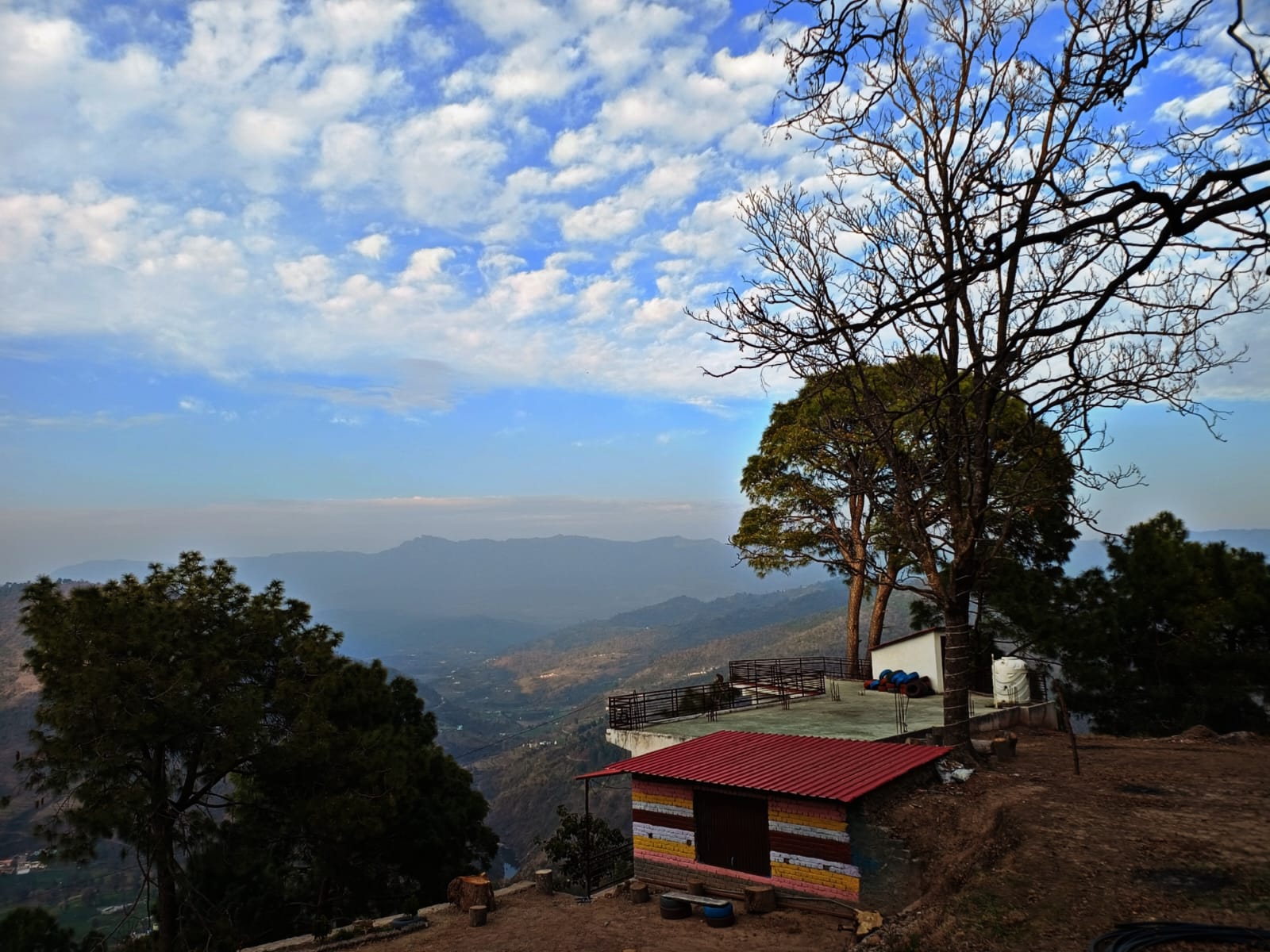
Camping Near Delhi: 10 Best Campsites for Winter 2026
Planning camping near Delhi this winter? These are the best campsites and glamping stays you can reach in a weekend from Delhi NCR – from Morni Hills and Kasauli to Chail, Solan and Shimla – with drive times, what each place is best for and tips for winter nights.
Delhi's winter weekends are made for the hills: clear skies, bonfires and mountain air are only a few hours away. The trick is picking a campsite that matches the time you have. Below we've grouped the options by drive time from Delhi, so you can plan a 2-day or 3-day trip without spending the whole weekend on the road.
Within 5–6 hours of Delhi
1. Morni Hills, Haryana – the closest hill escape
Morni is the nearest hill station to Delhi NCR, about 5–6 hours by road via Panchkula. It's quiet, green and perfect for a short break with family or friends.
Rio Montana's, Morni Hills is a peaceful homestay with a large hall that suits groups – ideal if you want an easy first trip out of Delhi.
2. Kasauli – pine forests and sunset points
Kasauli is around 6–7 hours from Delhi and only 1.5 hours from Chandigarh. Its pine forests, colonial lanes and sunset views make it a classic winter weekend.
Stay at Kasauli Pine Hills, a cottage stay surrounded by pines.
Within 6–8 hours of Delhi
3. Solan – riverside glamping
Hail Himalayas near Solan offers riverside glamping tents with mountain views. Spend the afternoon by the water, then sit by the bonfire under the stars. The Village House in Solan is another relaxed option.
4. Chail & Sadhupul – forest camps by the river
Chail is home to one of the world's highest cricket grounds and thick deodar forests. Around 7–8 hours from Delhi, it's quieter than Shimla and great for camping.
- Niyama Jungle Retreat – Swiss Tents by the Ashwini river at Sadhupul.
- Niyama Jungle Retreat – Cottages if you prefer solid walls in peak winter.
- Jungle Stays Chail – Swiss tents deep in the forest.
Read our full Chail camping guide and stays.
5. Shimla, Junga & Cheog – snow chances and quirky stays
About 7–8 hours from Delhi, the Shimla region gives you the best chance of snow within a weekend trip (usually late December to February).
- Heavot Caves – Hobbit House: a fairy-tale stay built into the hillside.
- The Wood Log Tree House: a proper treehouse near Shimla.
- The Glide Inn, Junga: duplex cottages and jungle camps 25 km from Shimla.
- Snow Vista Himalayan Homestay, Cheog: a warm homestay near Kufri with snow-peak views.
Worth the long weekend: 10–12 hours from Delhi
6. Manali & Sethan – glamping in the snow
If you have three days or more, take the overnight Volvo to Manali. Glass houses, A-frames and domes like Awe Glamping and Nirvana Hamta Retreat in Sethan are magical in winter.
7. Kasol & Kalga – riverside camps in Parvati Valley
Parvati Valley is the backpackers' favourite. Stay by the river at Himtrek Riverside Camp or in the forest at North Deodar Resort.
8. Bir Billing – paragliding and Tibetan cafés
Camp Cedar Bir and Billing View Camp are great bases for paragliding season (October–November and March–May).
Sample 2-day weekend plan from Delhi
Friday night: Leave Delhi after work or take an overnight Volvo to Chandigarh or Solan.
Saturday: Reach your camp by late morning, have lunch, take a nature walk or sit by the river, and enjoy the bonfire and stargazing at night.
Sunday: Sunrise tea with a view, a short hike or local sightseeing (Kasauli's Monkey Point, Chail Palace or Sadhupul), and start back by early afternoon to avoid late-night traffic.
Camping near Delhi on a budget
- Travel mid-week or avoid long weekends when prices peak.
- Share a large tent or family room with friends.
- Choose a meal plan (breakfast + dinner) – food at remote camps is cheaper as a package.
- Go by Volvo bus and take a local taxi for the last stretch instead of driving your own car.
How to choose the right campsite near Delhi
- Only 2 days? Pick Morni, Kasauli or Solan – less driving, more relaxing.
- Want snow? Go to Shimla/Cheog or Manali between late December and February.
- Travelling with kids or parents? Choose cottages or glamping tents with attached bathrooms and heaters.
- Office team or big group? See our guide to corporate camping sites near Delhi.
Winter camping checklist
- Thermal innerwear, a heavy jacket, woollen cap and gloves
- Comfortable shoes with grip for icy paths
- Power bank and torch
- Personal medicines and a basic first-aid kit
- Valid photo ID for every guest
Frequently asked questions
Which is the nearest camping place to Delhi in the hills?
Morni Hills in Haryana is the closest hill escape, about 5–6 hours from Delhi. Kasauli and Solan come next at roughly 6–7 hours.
Is camping safe in winter?
Yes, if you choose a stay with proper tents or cottages, heating, and staff on site. Avoid isolated wild camping in snow unless you are with an experienced guide.
Can we have a bonfire at the campsite?
Most campsites arrange a bonfire in the evening. Ask the property when you book, as some charge it separately.
Find your weekend spot: browse all camping and glamping stays or WhatsApp us on +91 78761 36043 and we'll suggest the best option for your dates.
.jpeg)
Best Places to Go Glamping in India (2026–27 Guide)
Looking for the best places to go glamping in India? From glass houses with jacuzzis in Manali to riverside domes in Kashmir and forest tents near Shimla, here are the glamping stays worth booking this season, with tips on when to go and what to expect.
Glamping simply means glamorous camping: you still wake up to mountain air, starry skies and the sound of a river, but you sleep in a proper bed, use a clean attached bathroom and don't have to pitch a tent yourself. It is the easiest way for couples, families and first-timers to enjoy the outdoors without giving up comfort.
What to look for in a good glamping stay
- Attached washroom with hot water – non-negotiable in the hills, especially from October to March.
- Proper bedding and heating – electric blankets or heaters make winter nights comfortable.
- The view – valley, river or snow peaks. Ask which tents or cabins face the view.
- Food on site – most mountain glamping is a little away from town, so meals at the property matter.
- Road access – check whether the last stretch needs a short walk or a 4x4 in snow.
Best places to go glamping in India
1. Manali, Himachal Pradesh – glass houses, domes and A-frames
Manali is India's glamping capital. Within a short drive of the town you'll find glass-walled cabins, geodesic domes and wooden A-frames with snow views for most of the winter.
- Awe Glamping – Glass House with Jacuzzi: sleep under glass with the mountains all around you – a favourite for couples and honeymooners.
- Awe Glamping – A-Frame Cabins: cosy wooden A-frames, including a cabin with a heart-shaped jacuzzi.
- Infinity Sky Glamps: modern glamping pods with wide valley views.
- Nirvana Hamta Retreat, Sethan: geodesic domes in Sethan village above Manali – one of the best spots for snow and stargazing in Himachal.
See all options on our Manali camping and glamping page.
2. Ganderbal, Kashmir – riverside domes and treehouses
About an hour from Srinagar, the Sindh valley in Ganderbal offers glamping right on the river, with Kashmir's meadows and pine forests around you. It is a calm alternative to busy Srinagar hotels.
- Riverside Elegant Domes: dome tents by the river – perfect for a slow, scenic Kashmir trip.
- Elegant Tree House: a treehouse stay for travellers who want something truly different.
3. Solan & Chail, near Shimla – forest and riverside glamping
Just 2–3 hours from Chandigarh, the hills around Solan and Chail are ideal for a quick glamping weekend without the long Manali drive.
- Hail Himalayas, Solan: riverside glamping with mountain views.
- Niyama Jungle Retreat, Sadhupul: Swiss tents by the Ashwini river near Chail.
- Jungle Stays Chail: Swiss tents in the forest – great for families and small groups.
4. Bir Billing – glamping in the paragliding capital
Bir is famous for paragliding, Tibetan monasteries and cafés. Glamping here means waking up to the Dhauladhar range and spending the day flying or exploring the Tibetan colony.
- Camp Cedar Bir: Swiss cottage and Serengeti-style tents in a cedar setting.
- Billing View Camp and Mud House: luxury Swiss tents facing the Billing hills.
5. Shangarh, Sainj Valley – A-frames beside a famous meadow
Shangarh's wide meadow surrounded by deodar forest is one of the prettiest spots in Kullu district, and still far less crowded than Manali. Woodzoo Shangarh offers A-frame cabins close to the meadow.
Other glamping destinations in India
Beyond the Himalayas, popular glamping regions include the Thar desert around Jaisalmer (luxury desert camps), Rishikesh (riverside camps on the Ganga), and Ladakh and Spiti in summer. For most travellers from Delhi, Chandigarh and Punjab, though, Himachal and Kashmir offer the best mix of easy access, comfort and scenery.
Which glamping stay suits your trip?
- Honeymoon or anniversary: glass houses and jacuzzi cabins in Manali, or a cliff-edge jacuzzi stay near Shimla.
- Family with kids: Swiss tents in Chail and Solan – short drives from Chandigarh, open spaces and riverside picnics.
- Friends' group: Bir Billing for paragliding by day and bonfire by night, or riverside camps in Kasol.
- Snow lovers: domes in Sethan above Manali between late December and February.
- Slow travellers: Shangarh's meadow or Kashmir's Sindh valley for quiet, crowd-free days.
How much does glamping cost in India?
Prices depend on the destination, season and type of stay. Swiss tents near Chandigarh and Shimla are usually the most affordable, while glass houses, jacuzzi cabins and domes in Manali sit at the premium end. Weekends, Christmas–New Year and summer holidays are the most expensive; mid-week stays in October–November and March often give the best value. Most stays include breakfast, and many offer dinner or all-meal plans – compare what is included, not just the room price. You can see live prices for every stay on Campsvilla.
How to plan a glamping trip in 4 steps
- Pick your region by travel time – Chail, Solan and Kasauli for a 2-day trip from Delhi or Chandigarh; Manali, Bir or Kasol for 3–4 days.
- Choose your stay type – tent, dome, A-frame, treehouse or glass house.
- Check inclusions – meals, bonfire, heater, parking and activities.
- Book early for weekends and keep a flexible day for weather in winter and monsoon.
Best time to go glamping in India
- March–June: pleasant days in Himachal and Kashmir; peak season for families.
- July–September: monsoon – lush and quiet, but check road conditions before travelling.
- October–November: clear skies, crisp air and the best views – our favourite time.
- December–February: snow in Manali, Sethan and higher areas; choose stays with heating and good road access.
Glamping tips for first-timers
- Book early for weekends and long weekends – the best tents sell out first.
- Carry warm layers even in summer; hill nights get cold.
- Ask the property about meals, bonfire and heater availability when you book.
- If you're travelling in a group, ask about group rates and adjoining tents.
Frequently asked questions
What is the difference between camping and glamping?
Camping usually means a basic tent and shared facilities. Glamping gives you a furnished tent, dome or cabin with a real bed, electricity and an attached bathroom.
Which is the best place for glamping near Delhi?
The Solan, Chail and Kasauli hills are the closest good options (about 6–7 hours by road). For snow and the classic mountain experience, Manali is worth the longer drive.
Is glamping safe for families and solo women travellers?
Yes – the stays listed on Campsvilla are verified properties with staff on site. Some, like Heavot Caves in Shimla, are specially marked as solo-women friendly.
Ready to plan your trip? Browse all glamping and camping stays on Campsvilla or call us on +91 98762 78089 for help choosing the right one.

Hidden Camping Gems in India Tourists Don’t Know About
India is home to countless travel destinations, but many of its most beautiful camping spots remain hidden from mainstream tourism. While travellers often visit popular hill stations and crowded adventure hubs, there are still untouched locations where nature feels pure, peaceful, and authentic.
For people who enjoy escaping busy cities and exploring lesser-known landscapes, hidden camping destinations offer a completely different experience. Quiet forests,remote valleys, pristine rivers, and untouched lakes create the perfect setting for memorable outdoor adventures. Many UK travellers searching for peaceful and nature-focused holidays are now exploring these offbeat camping experiences to discover a more scenic and relaxing side of India.
Camping in these unexplored locations allows travellers to reconnect with nature, experience local culture, and discover a side of India that many tourists never see.
1. Dzukou Valley, Nagaland
Located on the border of Nagaland and Manipur, Dzukou Valley is one of Northeast India’s best-kept secrets. Surrounded by rolling green hills and seasonal flowers, the valley becomes especially beautiful during the monsoon months.
The trek to the valley itself is an adventure, but the real reward comes after reaching the campsite. The silence, cool mountain air, and endless green landscape make it feel like another world.
Why Dzukou Valley Stands Out
Stunning seasonal flowers and greenery
Peaceful environment away from crowds
Excellent trekking and camping routes
Perfect destination for nature photography
Unlike commercial tourist destinations, Dzukou Valley offers a raw and untouched outdoor experience.
2. Kanatal, Uttarakhand
Most travellers visiting Uttarakhand head toward Mussoorie, Rishikesh, or Nainital. However, Kanatal remains one of the region’s hidden gems.
Surrounded by pine forests and mountain views, Kanatal is ideal for travellers seeking calm and scenic camping experiences. The weather remains pleasant throughout most of the year, making it suitable for both summer and winter camping.
Activities available in the area include:
Forest trekking
Ziplining and adventure sports
Bonfire evenings
Nature walks through apple orchards
The peaceful surroundings make Kanatal perfect for couples, solo travellers, and families looking for a quiet retreat.
3. Mawlynnong, Meghalaya
Known as Asia’s cleanest village, Mawlynnong in Meghalaya is far more than just a sightseeing destination. The surrounding forests and rivers create an excellent atmosphere for eco-friendly camping.
The region is famous for:
Living root bridges
Dense green forests
Waterfalls and rivers
Traditional Khasi culture
Camping near Mawlynnong allows travellers to experience village life while staying close to nature. The calm atmosphere and fresh air make it one of the most refreshing camping destinations in India.
Goa, India
While Goa is widely known for its beaches and nightlife, it also offers some beautiful hidden camping experiences for nature lovers. Beachside camping in Goa allows travellers to enjoy peaceful sunsets, ocean breezes, and relaxing nights under the stars away from crowded tourist areas.
Many secluded beaches and coastal spots provide a perfect setting for aesthetic camping experiences with bonfires, live music, and scenic sea views. Travellers planning Goa Holidays often look beyond luxury resorts to experience these peaceful outdoor escapes close to nature.
Why Camping in Goa Feels Special
Peaceful beachside atmosphere
Beautiful sunset and sunrise views
Relaxing by the bonfire at night by the sea
Ideal for couples and solo travellers
Unique mix of nature and coastal culture
Goa offers a refreshing coastal alternative to traditional mountain camping and is perfect for travellers looking for a calm yet vibrant outdoor escape.
4. Chopta, Uttarakhand
Often called the “Mini Switzerland of India,” Chopta remains surprisingly less crowded compared to other Himalayan destinations.
The region is surrounded by dense forests and offers breathtaking views of Himalayan peaks such as Nanda Devi and Chaukhamba.
Highlights of Camping in Chopta
Stunning mountain sunrises
Access to Tungnath Trek
Peaceful alpine meadows
Incredible stargazing opportunities
Camping in Chopta during winter becomes even more magical when the entire region is covered in snow.
5. Kheerganga, Himachal Pradesh
Hidden deep in the Parvati Valley, Kheerganga is one of Himachal Pradesh’s most scenic camping spots.
The trek to Kheerganga passes through forests, waterfalls, and small villages before reaching the campsite located high in the mountains.
Travellers visiting Kheerganga can enjoy:
Natural hot water springs
Scenic trekking trails
Mountain sunsets
Bonfire nights under the stars
The combination of adventure and natural beauty makes it popular among backpackers and trekking enthusiasts.
6. Varkala Cliff Camping, Kerala
While Kerala is usually associated with backwaters and houseboats, Varkala offers hidden coastal camping opportunities that many tourists overlook.
Camping near the cliffs gives travellers beautiful ocean views, a cool sea breeze, and peaceful sunsets.
Unlike crowded beaches, certain hidden stretches around Varkala provide a calm and relaxing atmosphere ideal for overnight stays.
This destination is perfect for travellers looking for a coastal alternative to mountain camping.
7. Tawang, Arunachal Pradesh
Tawang is famous for its monasteries and mountain scenery, but very few tourists explore its remote camping locations.
Surrounded by high-altitude lakes, valleys, and snow-covered mountains, Tawang offers breathtaking camping experiences.
What Makes Tawang Unique?
Beautiful Himalayan landscapes
Peaceful Buddhist culture
Remote and untouched environment
Excellent opportunities for photography
The combination of spirituality and natural beauty creates a unique atmosphere rarely found in other destinations.
The Growing Popularity of Hidden Camping Destinations
As travellers become more interested in sustainable tourism and offbeat experiences, hidden camping spots are slowly gaining attention.
Many people now prefer peaceful destinations over overcrowded tourist areas. Travellers are choosing nature-focused experiences that allow them to relax, disconnect from technology, and enjoy outdoor adventures.
Interestingly, even travellers planning luxury beach vacations, such as Goa Holidays, are now exploring offbeat camping experiences to add adventure and nature to their journeys.
Important Tips for Hidden Camping Trips
Before visiting lesser-known destinations, proper planning is essential.
Useful Camping Tips
Carry weather-appropriate clothing and equipment
Avoid leaving waste behind in natural areas
Respect local communities and traditions
Keep emergency medicines and power banks
Travel with experienced guides when exploring remote regions
Responsible travel helps preserve these hidden destinations for future visitors.
Why Hidden Camping Gems Are Worth Exploring
Hidden camping locations offer something that crowded tourist destinations often cannot provide — peace, authenticity, and a genuine connection with nature.
These destinations allow travellers to experience India beyond guidebooks and social media trends. Whether it is camping beside remote rivers, staying in untouched valleys, or waking up to mountain sunrises, every experience feels personal and memorable.
Unlike commercial tourist hubs, these hidden gems provide slower travel experiences that encourage exploration, reflection, and adventure.
Final Thoughts
India’s hidden camping destinations showcase the country’s incredible natural diversity. From the green valleys of the Northeast and the snowy Himalayan landscapes to quiet coastal cliffs and forest retreats, there are countless places still waiting to be discovered.
For travellers who want more than ordinary vacations, these offbeat destinations offer unforgettable outdoor experiences filled with peace, beauty, and adventure.
Exploring hidden camping gems is not just about travel; it is about discovering nature in its purest form and creating memories far away from the noise of crowded tourist spots.

Aesthetic Camping Destinations in India You’ll Love
India is one of the best countries for aesthetic camping experiences because of its incredible landscapes and natural diversity. From snowy Himalayan valleys and riverside camps to desert dunes and forest retreats, the country offers endless scenic locations for unforgettable outdoor adventures. Many UK travellers are now choosing India for nature-focused holidays because it offers a perfect mix of adventure, affordability, culture, and breathtaking scenery.
Whether you are looking for dreamy mountain views, peaceful lakeside camps, or luxury glamping experiences, India has some of the most visually stunning camping destinations in the world. There is something magical about camping in nature. The peaceful silence, fresh mountain air, glowing bonfires, and star-filled skies create an experience that feels both calming and adventurous. In recent years, aesthetic camping has become increasingly popular among travellers looking for beautiful and relaxing escapes away from busy city life.
Why Camping in India Feels So Special
Camping in India is not just about sleeping outdoors. It is about experiencing nature, culture, adventure, and peace all at once.
The country’s changing landscapes allow travellers to enjoy completely different camping experiences in different regions. One trip can take you from snowy mountains to green forests or from riverside retreats to golden deserts.
Camping in India also feels unique because many destinations still remain peaceful and untouched compared to crowded tourist spots.
What Makes Camping in India Special?
Diverse natural landscapes
Beautiful sunrise and sunset views
Clear night skies for stargazing
Affordable luxury camping options
Adventure activities nearby
Peaceful escapes from city life
For nature lovers and aesthetic travellers, India offers the perfect blend of beauty and adventure.
Spiti Valley
Spiti Valley is one of the most breathtaking camping destinations in India. Surrounded by dramatic mountains, ancient monasteries, and crystal-clear skies, this cold desert region feels almost unreal.
Camping in Spiti is perfect for travellers who love peaceful landscapes and raw natural beauty.
Why You’ll Love Camping in Spiti Valley
Stunning mountain scenery
Incredible stargazing opportunities
Peaceful and quiet surroundings
Beautiful riverside camping spots
Traditional Himalayan villages nearby
The calm atmosphere and surreal landscapes make Spiti Valley one of the most aesthetic destinations in India.
Rishikesh
Rishikesh offers one of the most peaceful riverside camping experiences in the country. Located along the sacred Ganges River, this destination combines spirituality, adventure, and nature beautifully.
Camping here is especially popular among travellers looking for calm mornings and cosy evenings by the river.
Best Experiences in Rishikesh
Riverside bonfires
Morning yoga sessions
River rafting adventures
Scenic mountain views
Relaxing natural surroundings
Waking up to the sound of flowing water while surrounded by green hills creates a truly calming experience.
Leh-Ladakh
Leh-Ladakh is a dream destination for adventure lovers and aesthetic travellers alike. The region’s dramatic landscapes, peaceful lakes, and towering mountains create unforgettable camping experiences.
Camping near Pangong Lake or Nubra Valley feels like stepping into another world.
Why Leh-Ladakh Is So Popular
Stunning high-altitude landscapes
Clear night skies filled with stars
Beautiful lakeside camping
Unique desert-meets-mountain scenery
Adventure-filled atmosphere
The untouched beauty of Ladakh makes every camping moment feel cinematic and unforgettable.
Coorg
Known as the “Scotland of India,” Coorg is famous for its misty hills, coffee plantations, and lush greenery.
Camping in Coorg feels soft, dreamy, and peaceful — perfect for travellers who love nature photography and relaxing escapes.
Highlights of Camping in Coorg
Mist-covered mornings
Forest trails and waterfalls
Coffee plantation views
Cool and refreshing weather
Peaceful natural surroundings
The gentle beauty of Coorg creates an atmosphere that feels both romantic and refreshing.
Jaisalmer
For travellers looking for a completely different aesthetic camping experience, Jaisalmer offers magical desert camping under endless starry skies.
The golden dunes of Rajasthan create a peaceful and cinematic atmosphere unlike any mountain destination.
Experiences You’ll Love in Jaisalmer
Camel rides across dunes
Traditional Rajasthani music and dance
Luxury desert camps
Bonfires under the stars
Beautiful desert sunsets
The silence of the desert at night creates an unforgettable feeling of calmness and wonder.
Kasol
Kasol is one of the most loved camping destinations among young travellers and backpackers. Located in the beautiful Parvati Valley, the area is surrounded by forests, rivers, and snowy mountains.
Camping in Kasol combines adventure with peaceful natural beauty.
Why Travellers Love Kasol
Riverside camping spots
Scenic mountain trails
Bonfire nights
Relaxed atmosphere
Beautiful pine forests
Kasol’s peaceful vibe makes it ideal for slow travel and nature escapes.
The Rise of Luxury Glamping in India
Camping in India is no longer limited to basic tents and outdoor survival experiences. Luxury glamping has become increasingly popular across many destinations.
Travellers can now enjoy:
Comfortable beds inside tents
Private bonfire areas
Luxury bathrooms
Scenic dining experiences
Eco-friendly resorts in nature
These experiences allow people to enjoy nature without giving up comfort.
Planning Your Camping Trip to India
For international travellers searching for Flights to India from the UK, camping holidays offer an excellent way to explore the country’s natural beauty beyond crowded cities and traditional tourist attractions.
Helpful Camping Tips
Carry warm clothes for mountain regions
Choose the right season for travel
Respect local nature and culture
Keep essential medicines and gear
Book camps in advance during peak seasons
Proper planning helps make the experience safer and more enjoyable.
Why Aesthetic Camping Is Becoming So Popular
Modern travellers are increasingly searching for experiences that feel peaceful, meaningful, and visually beautiful. Camping provides the perfect escape from busy digital lifestyles and crowded urban spaces.
People now travel not only to explore places but also to reconnect with nature and themselves.
Camping offers:
Mental relaxation
Digital detox opportunities
Beautiful photography moments
Meaningful travel memories
Calm and peaceful environments
This emotional connection with nature is one reason aesthetic camping continues to grow in popularity.
Conclusion
India is filled with breathtaking camping destinations that offer beauty, adventure, peace, and unforgettable experiences. From snowy Himalayan valleys and riverside retreats to golden deserts and misty forests, every region offers a completely different atmosphere for travellers to explore.
Whether you prefer luxury glamping, adventurous mountain camping, or peaceful lakeside escapes, India has something for every nature lover. These aesthetic camping destinations allow travellers to slow down, reconnect with nature, and create memories that last forever.
For anyone seeking a travel experience filled with scenic beauty and peaceful adventure, camping in India is truly worth exploring.